Crafting Culture
Culture, creativity and healing are not separate conversations
Crafting culture requires more than strategy. It requires the embodied, relational and creative capacities developed across our three areas of practice, each one reinforcing the others.
Arts-Based Processes as the Foundation
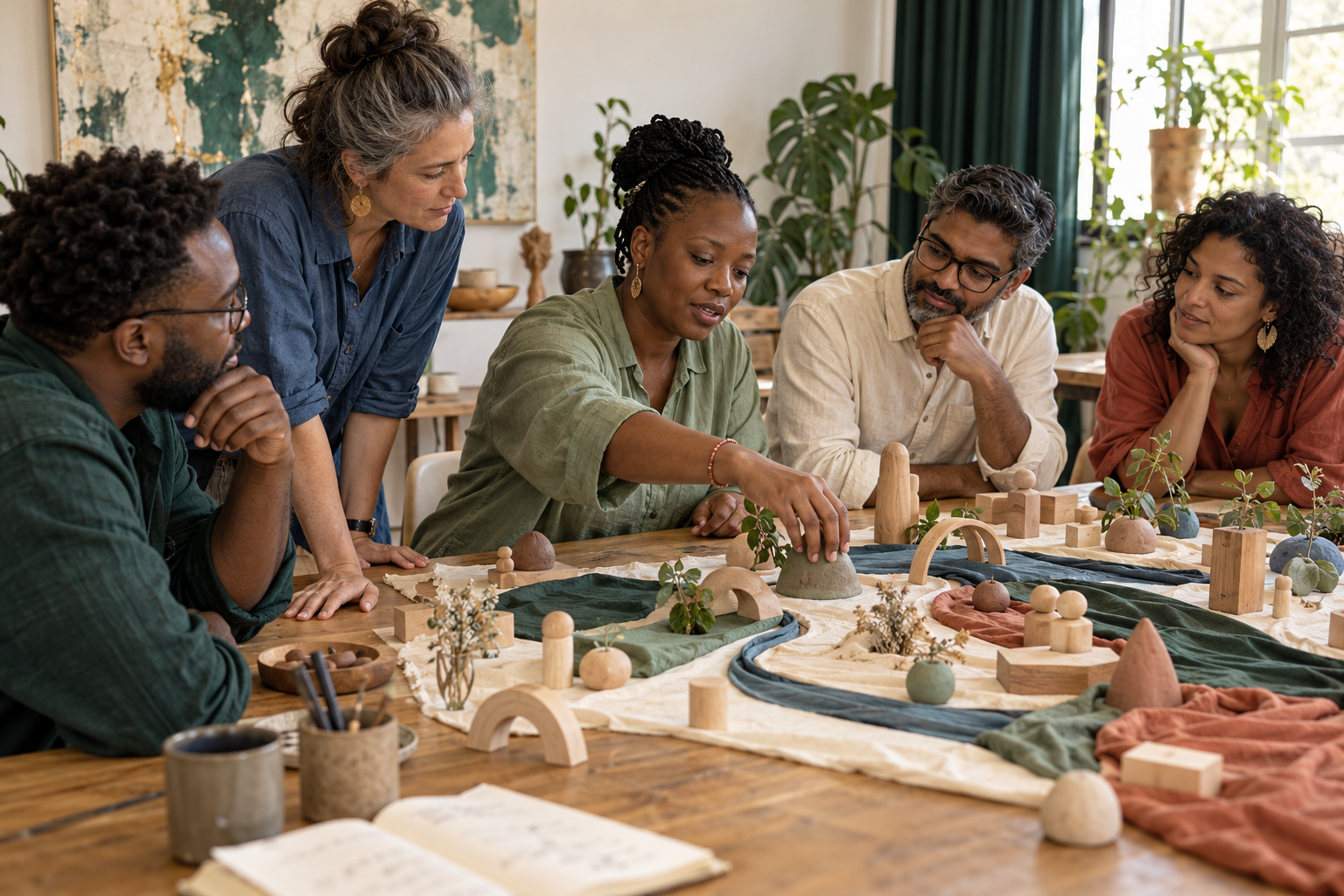
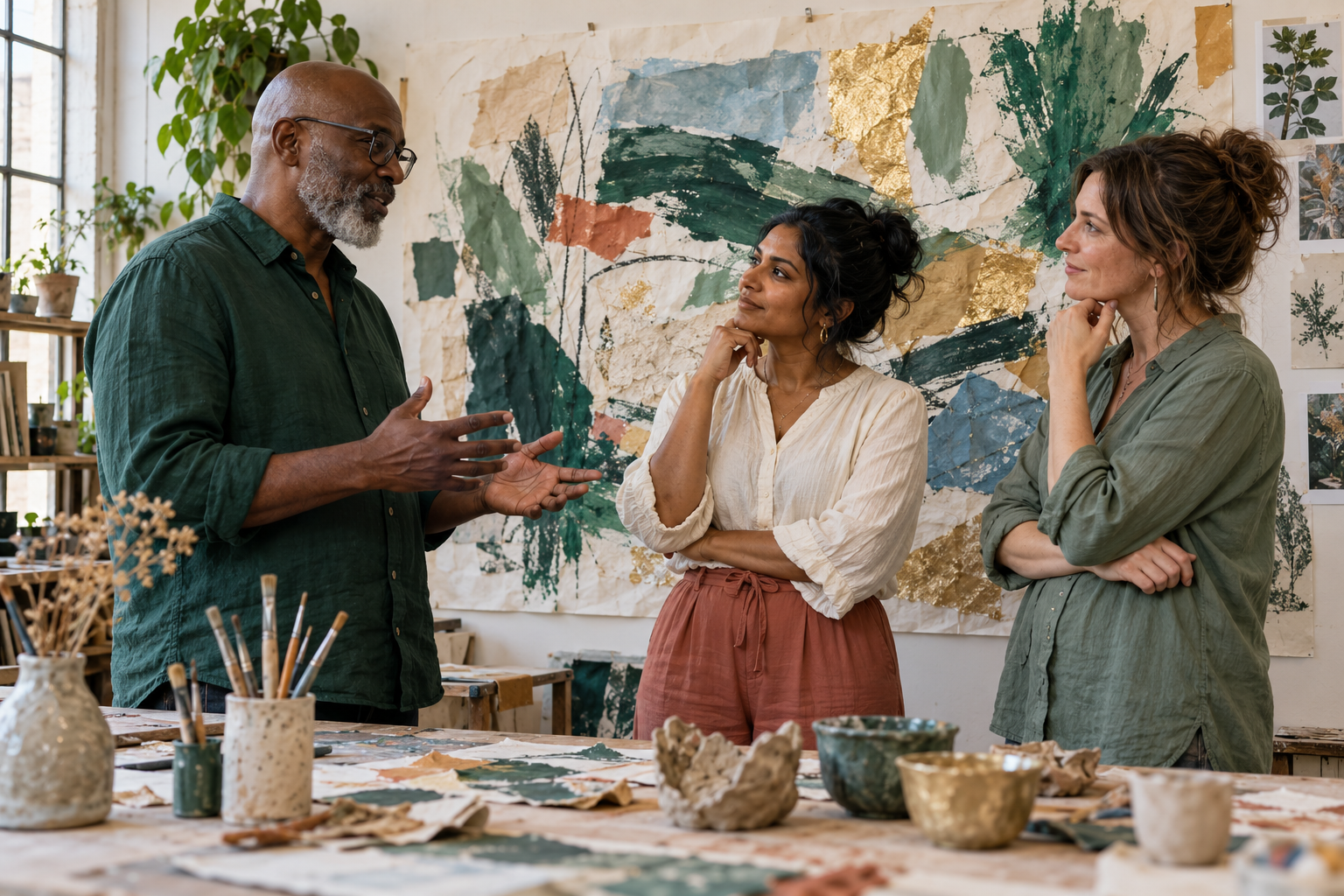
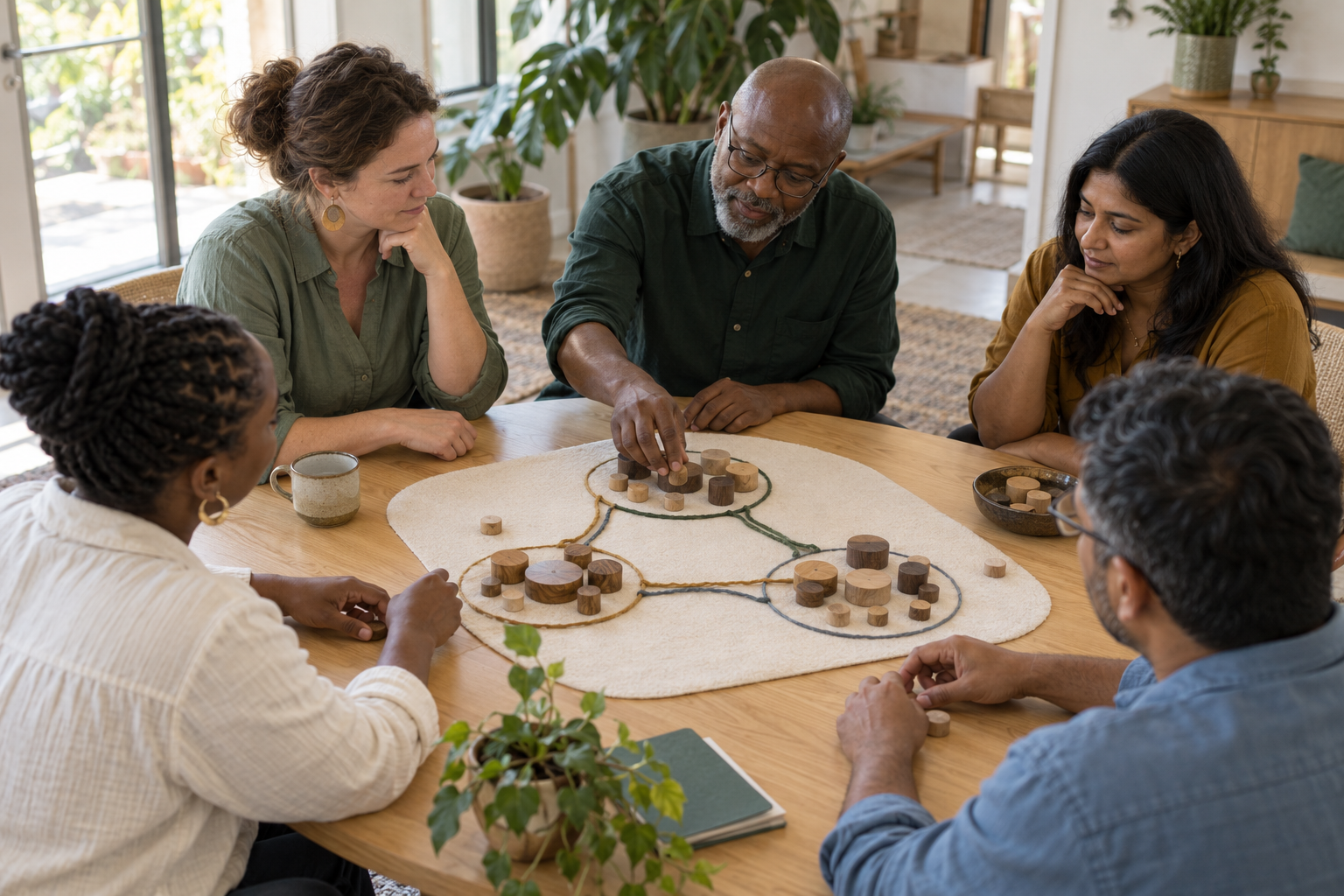
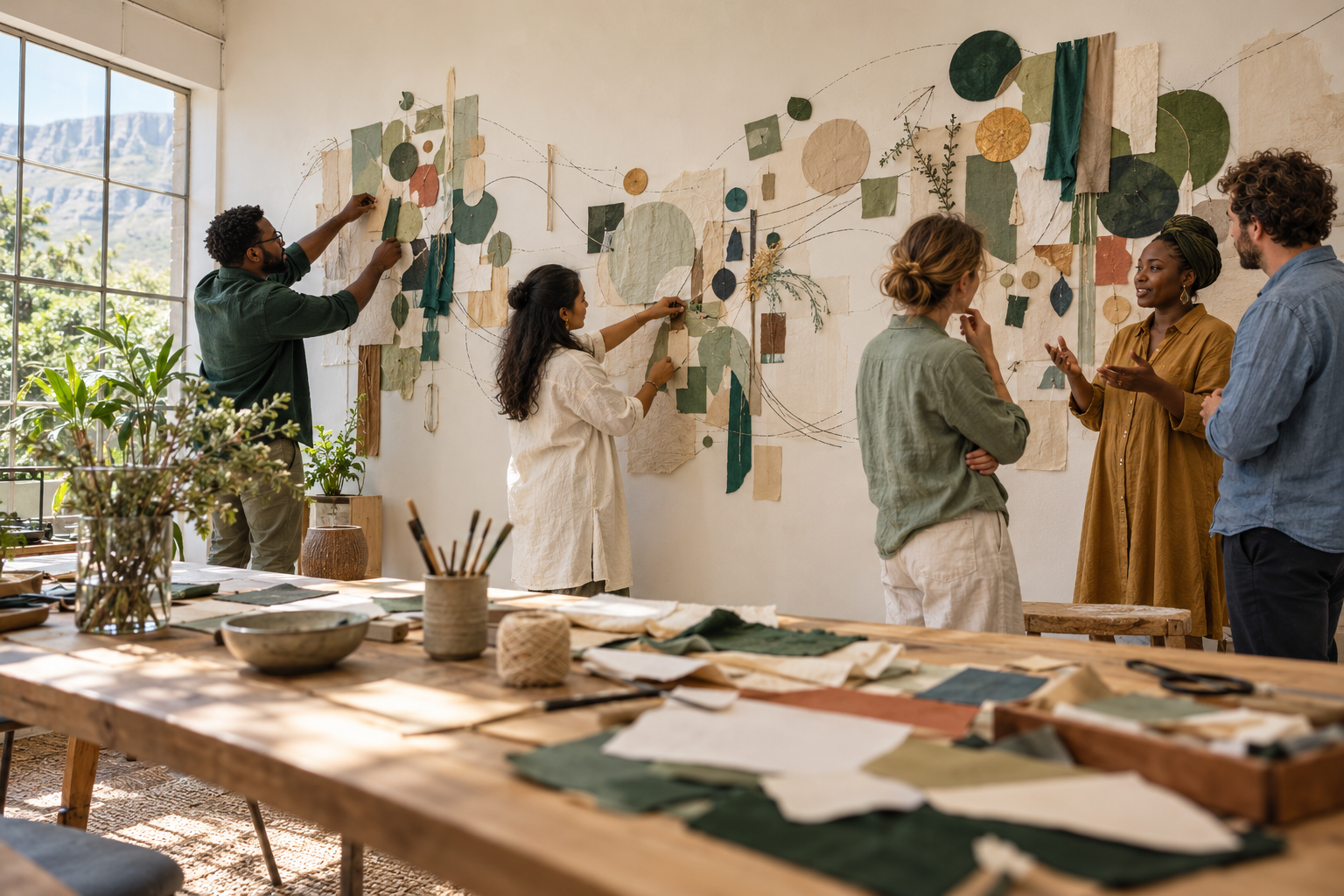
Drama, narrative, systemic constellations, creative arts and more, engage multiple ways of knowing – individually and collectively. They hold up a mirror to culture, allow teams to reflect, and enable new patterns to be prototyped before implementation. This is the creative infrastructure on which culture change is crafted.
Restorative OD: Trauma-Informed Practice as the Ground
Unaddressed trauma and systemic harm quietly shape how people communicate, collaborate and create. As part of crafting culture, the conditions for psychological and emotional safety must be established. Restorative OD prepares the terrain by elevating the factors that support people’s ability to access their best selves.
Crafting Culture: Intentional Culture as the Destination
With the creative infrastructure in place and the terrain prepared, culture can be actively crafted. This is not culture change done to organisations; it is culture change grown from within them, with committed leadership and authentic inclusion.
What We Do
Restoring and strengthening capacity
With solid leadership and organisational development experience, and deep understanding of individual and social change, we work with you to map and navigate the terrain of organisational culture change. Our approach is informed by the understanding that organisations are living, interconnected systems.
“Enriching culture requires changes within and across the organisation, including individuals, teams, and operational units, ongoingly.”
The modalities of culture craft
Story & Narrative
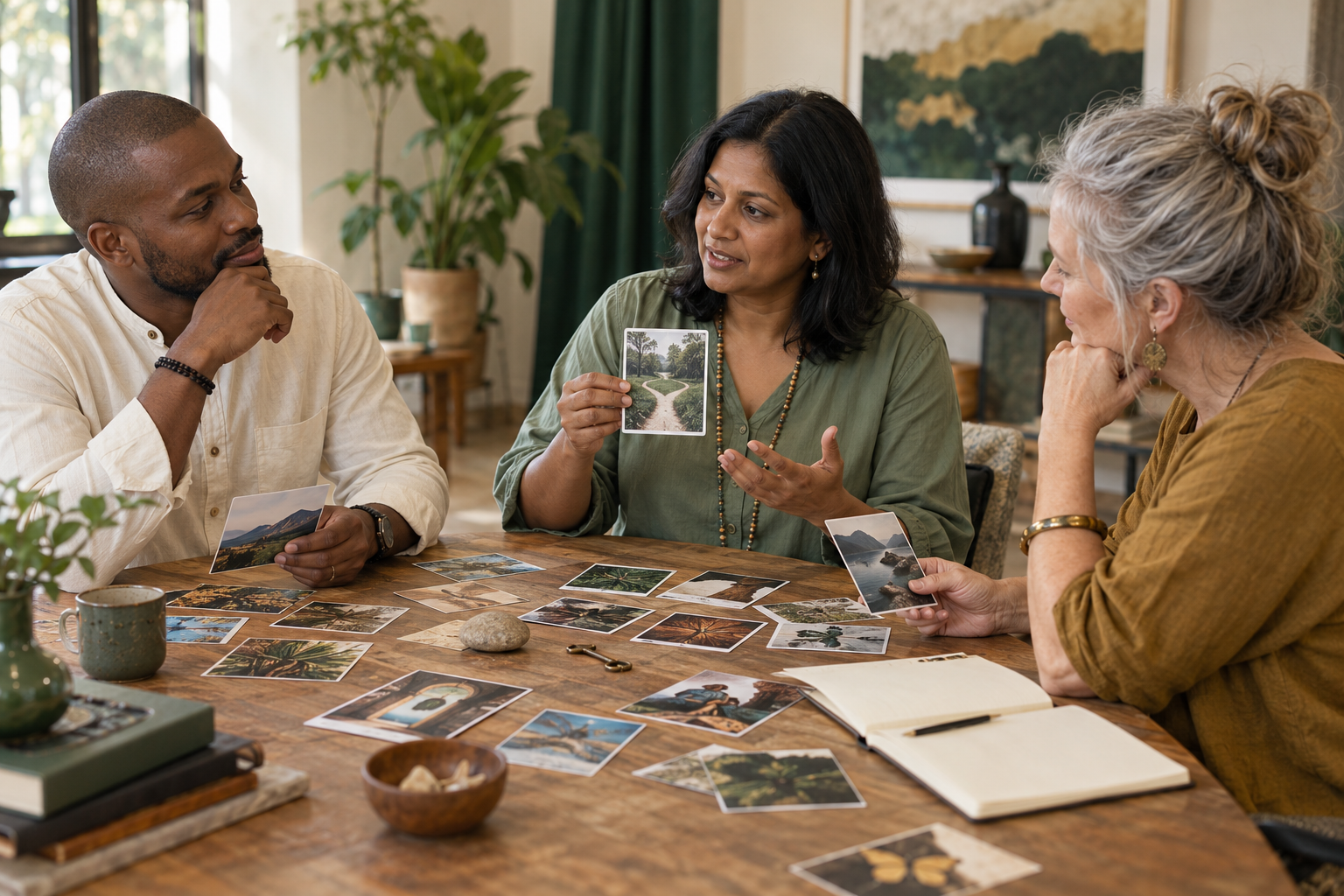
Organisations are held together by stories. We use narrative approaches to surface the stories that constrain, strengthen the ones that liberate, and create new collective narratives that point toward the culture being built.
Dialogue & Deep Listening as Assessment and Witnessing
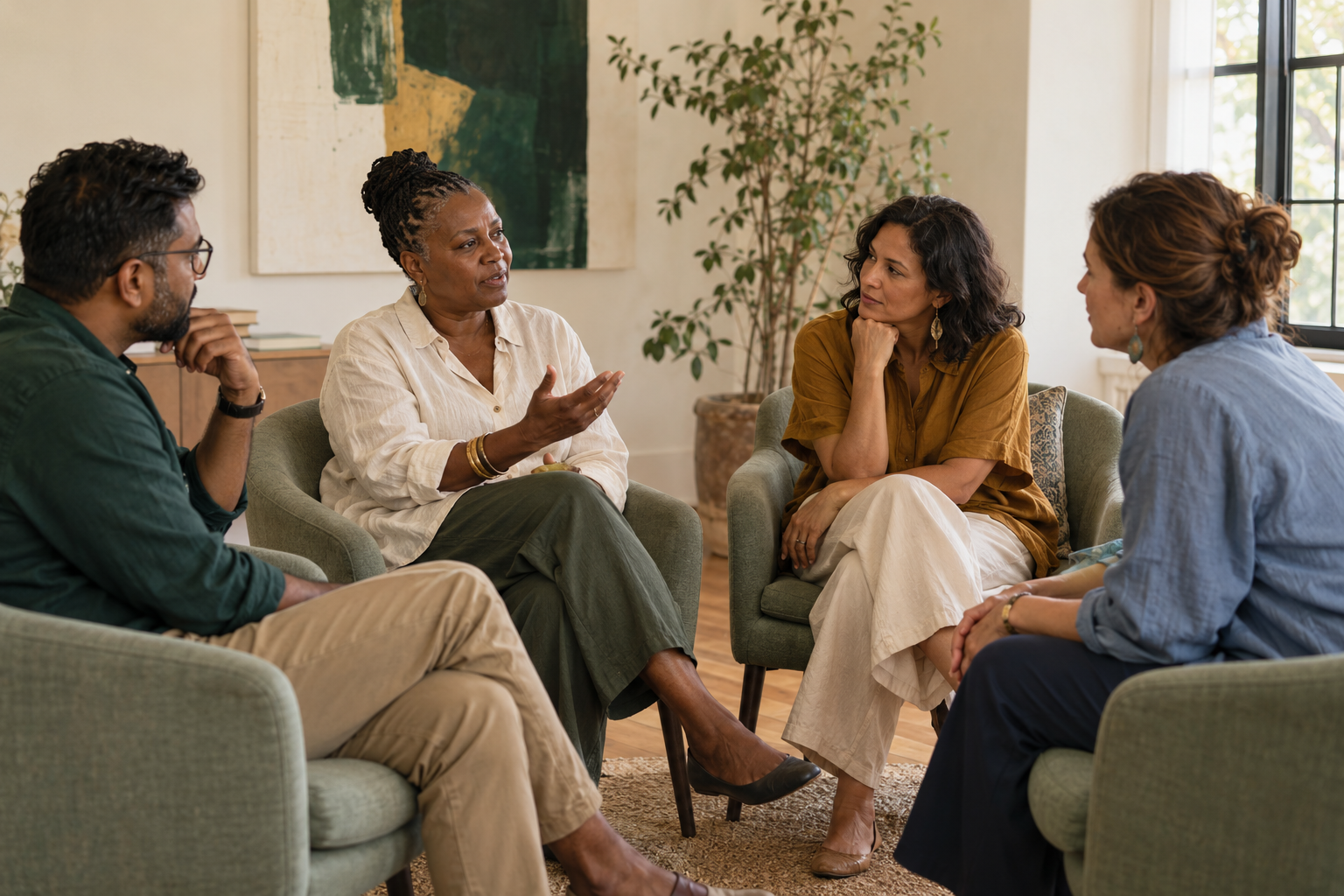
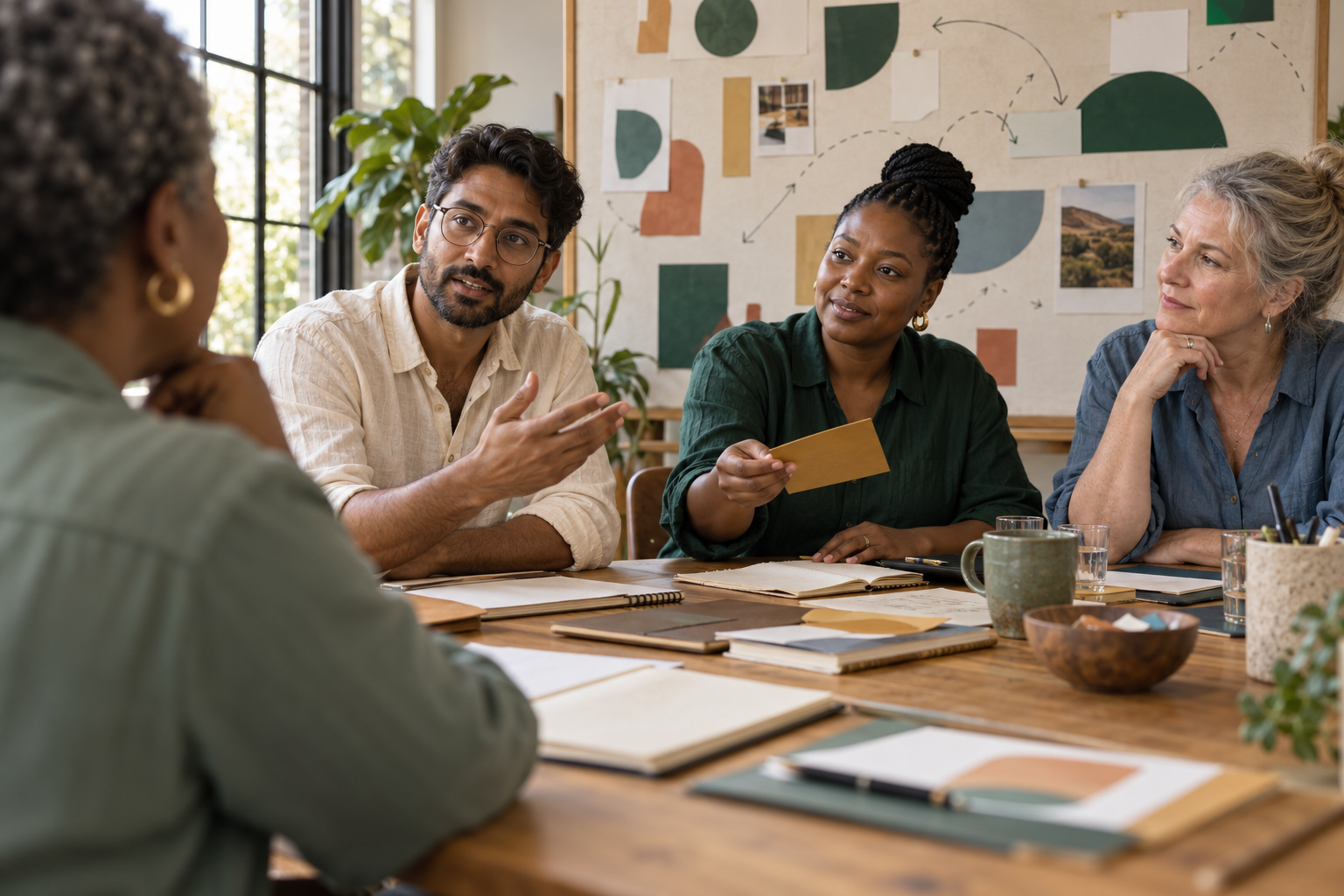
Authentic culture change requires genuine voice. We create containers for the kinds of conversations organisations rarely have — honest, generative, and grounded in mutual respect. Dialogue surfaces the tacit knowledge that strategy documents miss and builds the relational trust that makes collaboration real.
Strengths-Based Approaches
We begin with what is working. Strengths-based practices: Drawing on methods like appreciative inquiry, positive organisational development and systemic constellations, we seek to amplify resourcefulness and adaptive intelligence. This matters particularly in trauma-informed, restorative contexts where deficit narratives have caused profound harm and the recognition of existing strengths is itself an act of restoration.
Applied Playfulness and Arts-Based Experimentation
Play is not the opposite of serious work; it is one of its most powerful forms. Our arts-based approaches engage the whole human and purposeful play creates the psychological safety in which people can experiment, fail safely, learn quickly, and try again. It is through play that new cultural patterns are first rehearsed, before they become the new normal.
What culture change requires from leaders
Key Areas of Commitment
Culture change without a clear directional intention fragments into competing agendas. Leaders must be able to articulate not just what will change, but why — and why it matters for the people involved.
Leaders must be willing to walk the journey themselves — to model the culture they are building, not simply mandate it. As our arts-based practice shows, embodied experience precedes sustained behavioural change.
Culture change is not a programme — it is a system-wide shift. Structures, processes, incentives and communications must align with the desired culture, or the gap between declared values and lived experience will erode trust.
Deficit-focused cultures reproduce themselves. Standing in belief of collective positive possibility — particularly in organisations carrying the weight of historical harm — is a choice and a commitment.
Inclusion is not representation alone. It is the genuine incorporation of diverse voices, knowledge systems and experiences into the design and direction of culture change — including those most marginalised by the dominant culture.
The outcomes of culture change must be co-designed with the people who will live them. This builds ownership, surfaces blind spots, and creates the shared investment that sustains change beyond the initial engagement.
Culture change is identity change — at individual, team and organisational levels. It asks people to let go of familiar patterns, risk new behaviours, and tolerate the discomfort ofbecoming. This is not a small ask. It is the whole ask. And it is one that arts-based, trauma informed and restorative approaches are uniquely equipped to support.
The Creative Organisation Approach
Levels of change
Crafting culture requires more than strategy. It requires the embodied, relational and creative capacities developed across our three areas of practice, each one reinforcing the others.
The Individual
Self-awareness, identity, embodied patterns, narrative, values and the willingness to become a different version of oneself. Change here is the interior work — and arts-based approaches are among the most effective tools for facilitating it.
The Team
Relational dynamics, trust, collaboration patterns, psychological safety and shared meaning. Teams are where culture is most immediately experienced — and where the greatest leverage for change often lives.
The Organisation
Structures, systems, narratives, rituals and the formal and informal rules that govern how things are done. Organisational culture is the sum of these — and it changes when they change, coherently and consistently, over time.
How we support your culture change
Key Areas of Commitment
Culture change without a clear directional intention fragments into competing agendas. Leaders must be able to articulate not just what will change, but why — and why it matters for the people involved.
Leaders must be willing to walk the journey themselves — to model the culture they are building, not simply mandate it. As our arts-based practice shows, embodied experience precedes sustained behavioural change.
Culture change is not a programme — it is a system-wide shift. Structures, processes, incentives and communications must align with the desired culture, or the gap between declared values and lived experience will erode trust.
Deficit-focused cultures reproduce themselves. Standing in belief of collective positive possibility — particularly in organisations carrying the weight of historical harm — is a choice and a commitment.
Inclusion is not representation alone. It is the genuine incorporation of diverse voices, knowledge systems and experiences into the design and direction of culture change — including those most marginalised by the dominant culture.
The outcomes of culture change must be co-designed with the people who will live them. This builds ownership, surfaces blind spots, and creates the shared investment that sustains change beyond the initial engagement.
Culture change is identity change — at individual, team and organisational levels. It asks people to let go of familiar patterns, risk new behaviours, and tolerate the discomfort ofbecoming. This is not a small ask. It is the whole ask. And it is one that arts-based, trauma informed and restorative approaches are uniquely equipped to support.