The Creative Org

Creative Facilitation

Facilitated group processes

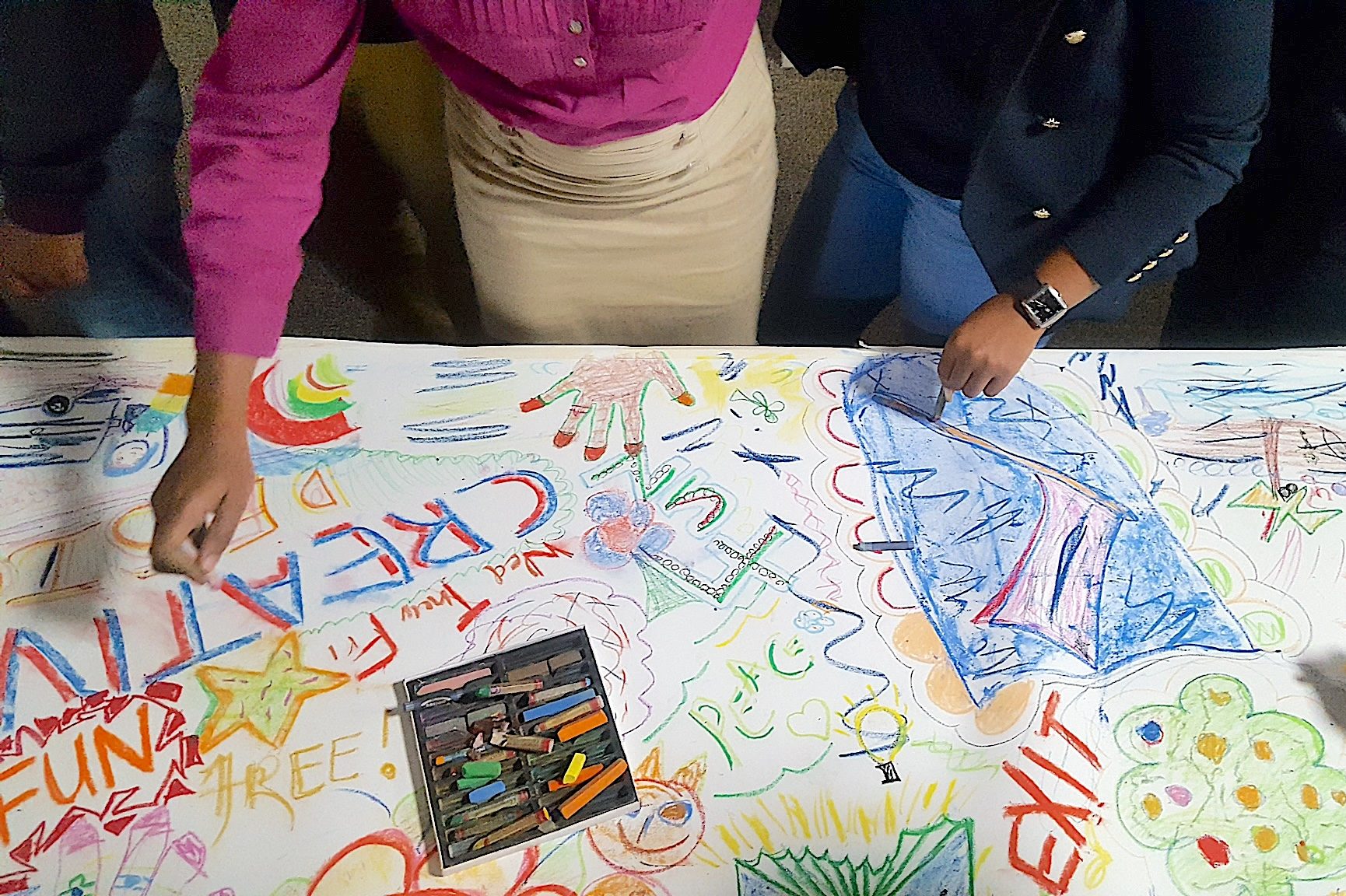
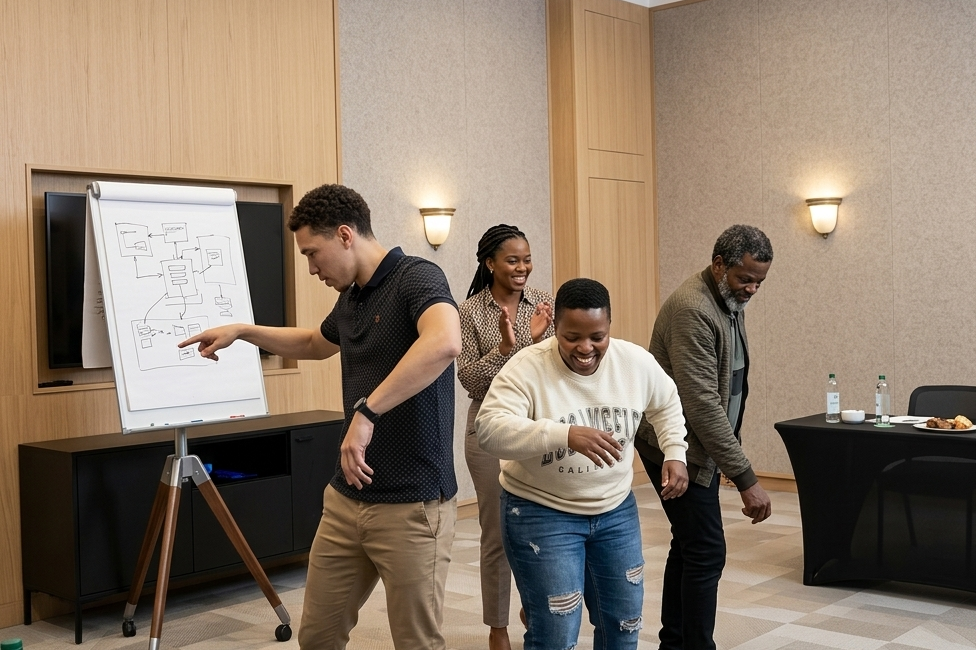
Creative facilitation uses arts-based and expressive modalities – example drawing, drama, movement, narrative, and art-making – as tools for collective and critical thinking.  

Facilitated processes often rely on language: questions posed, ideas discussed, flip charts filled. Creative facilitation goes wider. When people create and express through arts-based approaches, we access dimensions of experience and knowing that are embodied and symbolic – information often difficult to articulate but very important to include.

Through creative, collaborative, and structured processes, spaces are designed in which groups can experience solving problems, generating ideas, shaping shared visions, and strengthening connection – without content or answers being imposed on the experience.  The approach promotes divergent and diverse thinking, which can then be converged into relevant outcomes through processes of collective sense-making and meaning-making.
Visual Harvesting

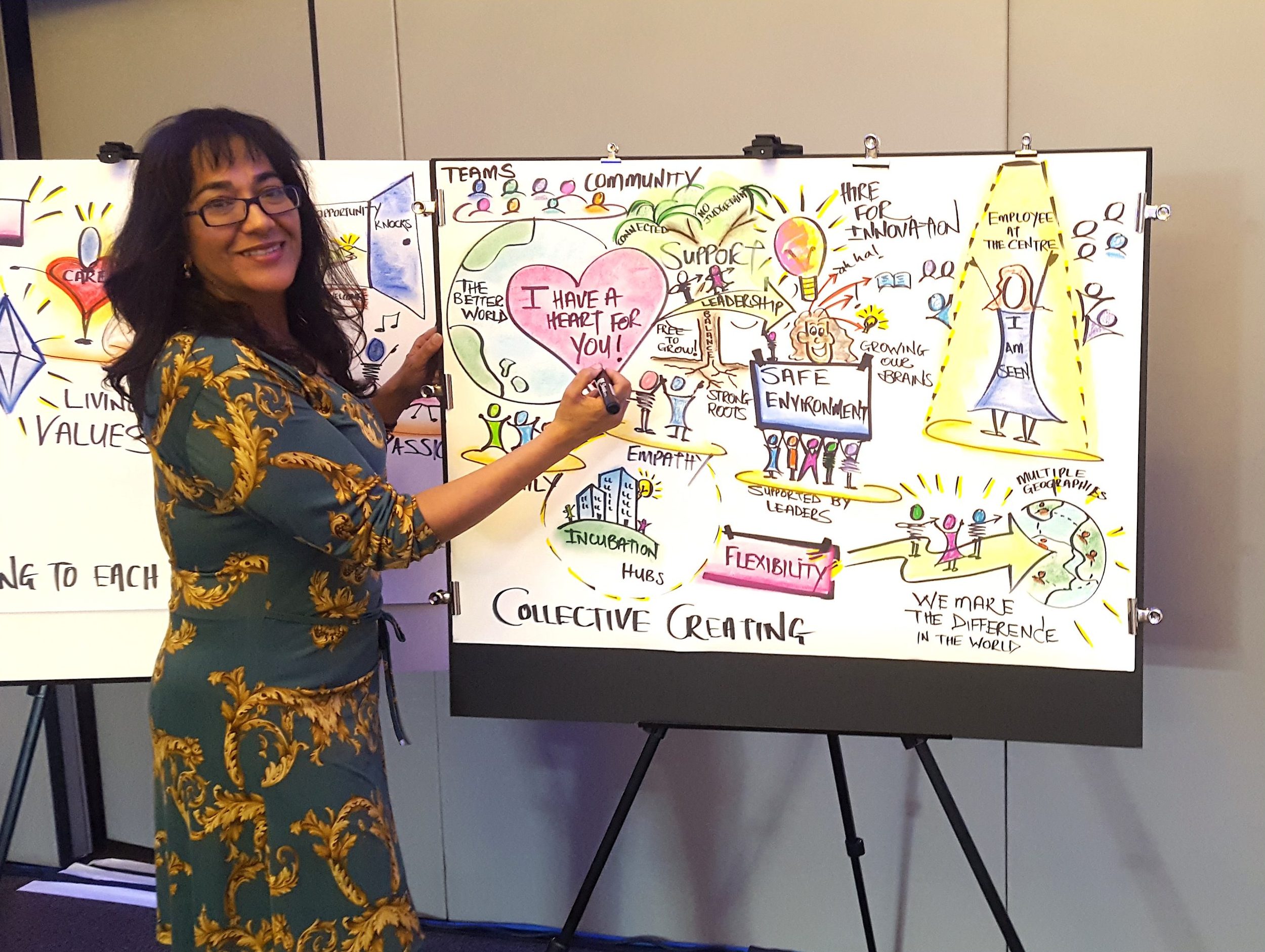
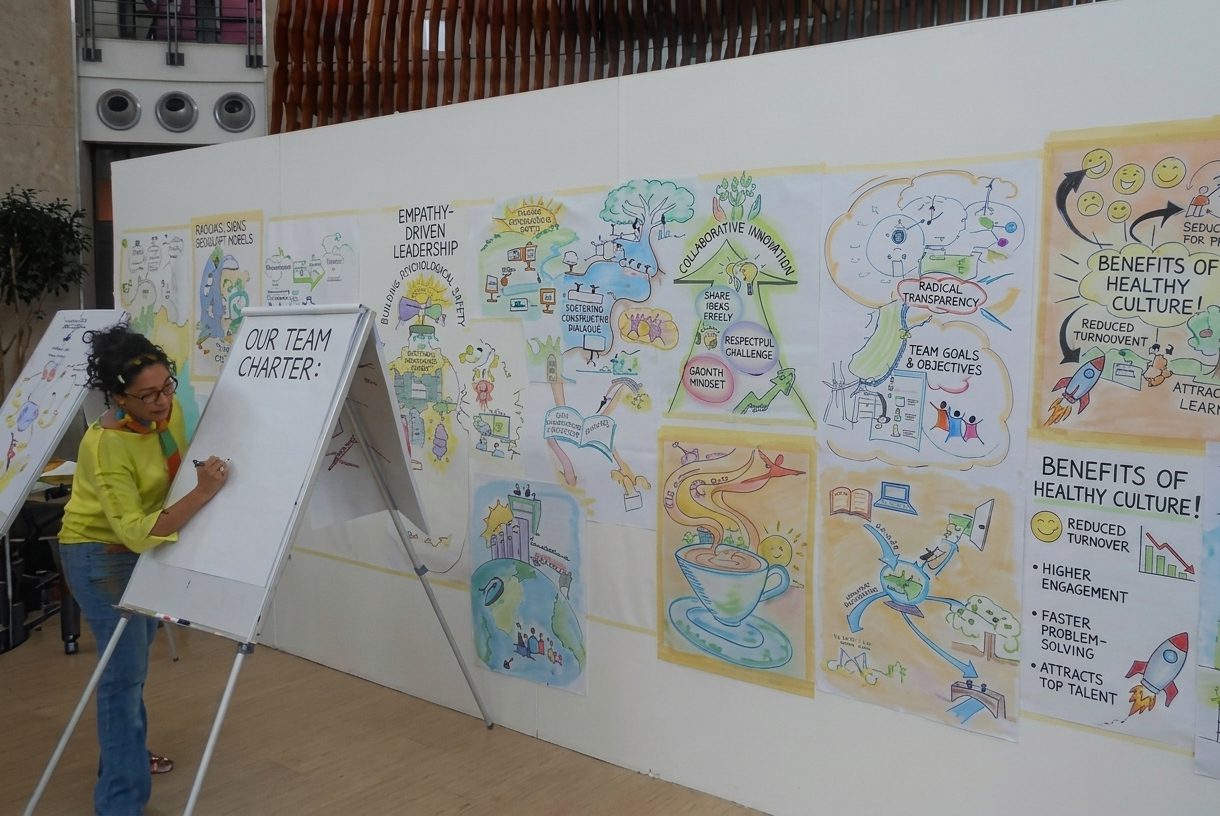
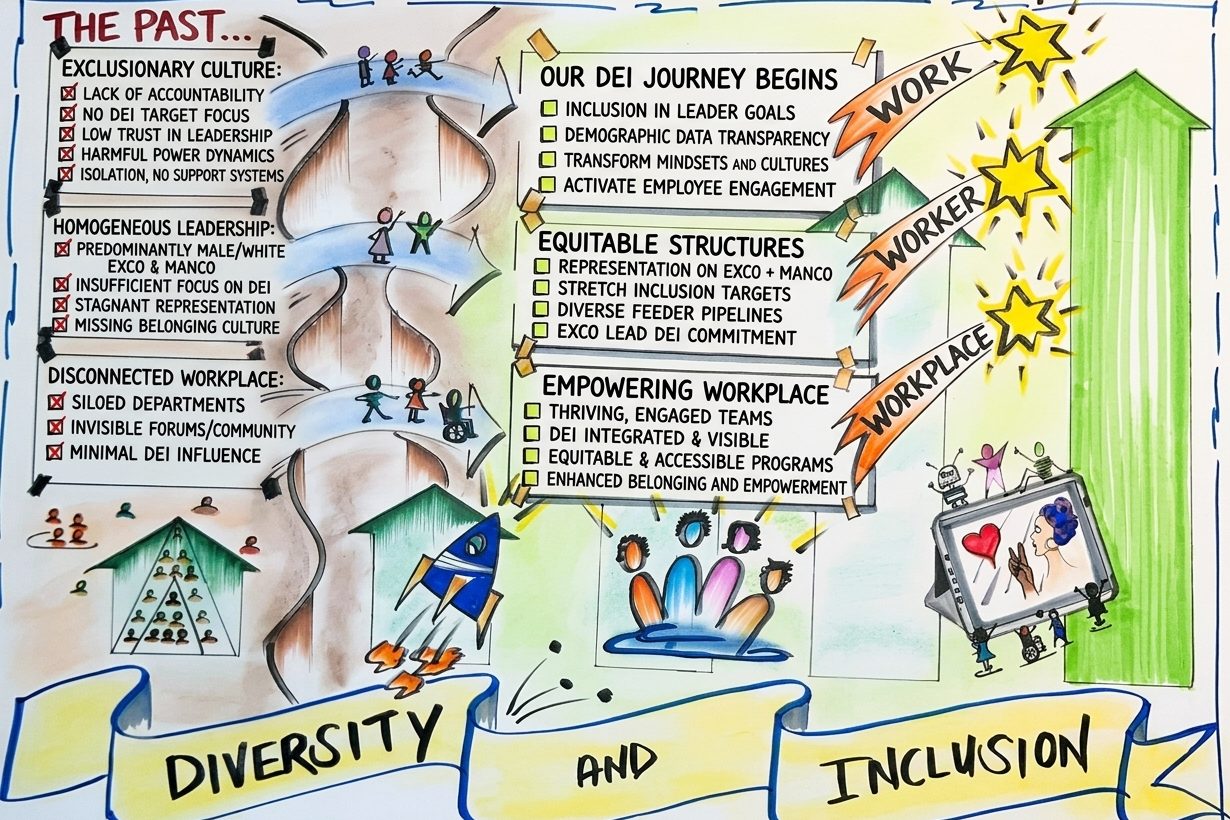
Visual harvesting –  also called graphic recording – is the practice of capturing the content, insights, and decisions of a group process in through drawing, image, and word on a large visible surface real-time, or digitally usually post the event.

Unlike minutes or typed notes, a visual harvest reflects the whole conversation: the key threads of discussions, important messages and moments, the symbols that connect a group, and more.  It is a record of how a group thought together, not just what they concluded.

Groups return to visual harvests again and again. They find new details. They see connections they didn’t notice in the moment, and so the harvest becomes a generative artefact which connects the thinking long after the meeting event is over.

Visual harvesting serves a group particularly well during:

Strategic planning days - capturing the arc of the conversation and decisions made

Culture and values work - making implicit beliefs and aspirations tangible

Team sense-making after disruption or change

Stakeholder engagement processes where diverse voices must be heard and held

Large group conferences and summits

Reflective leadership conversations